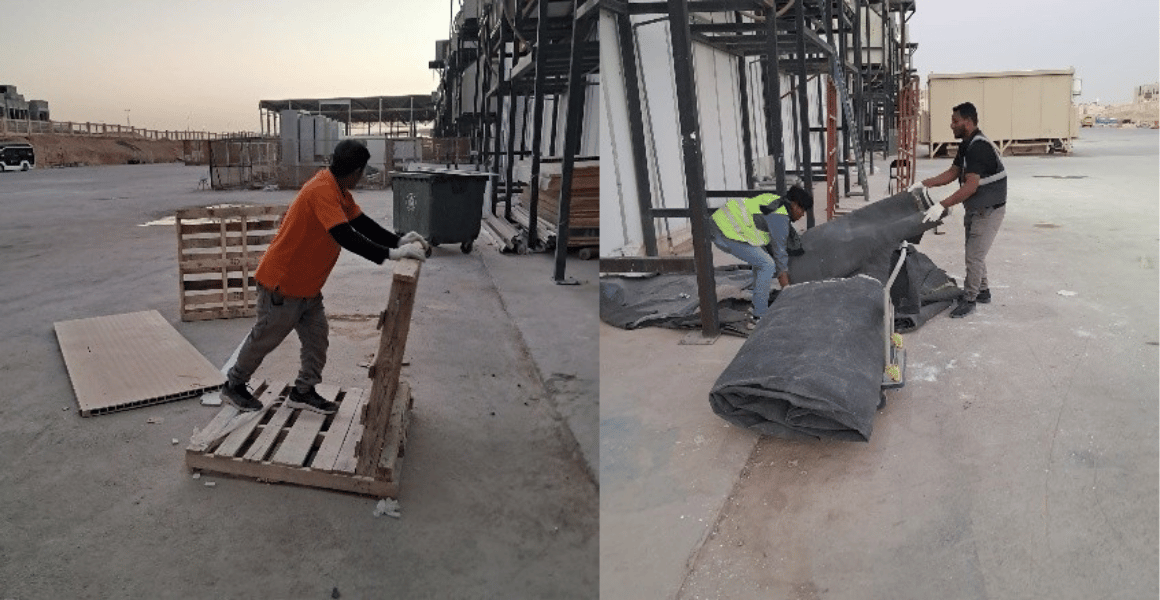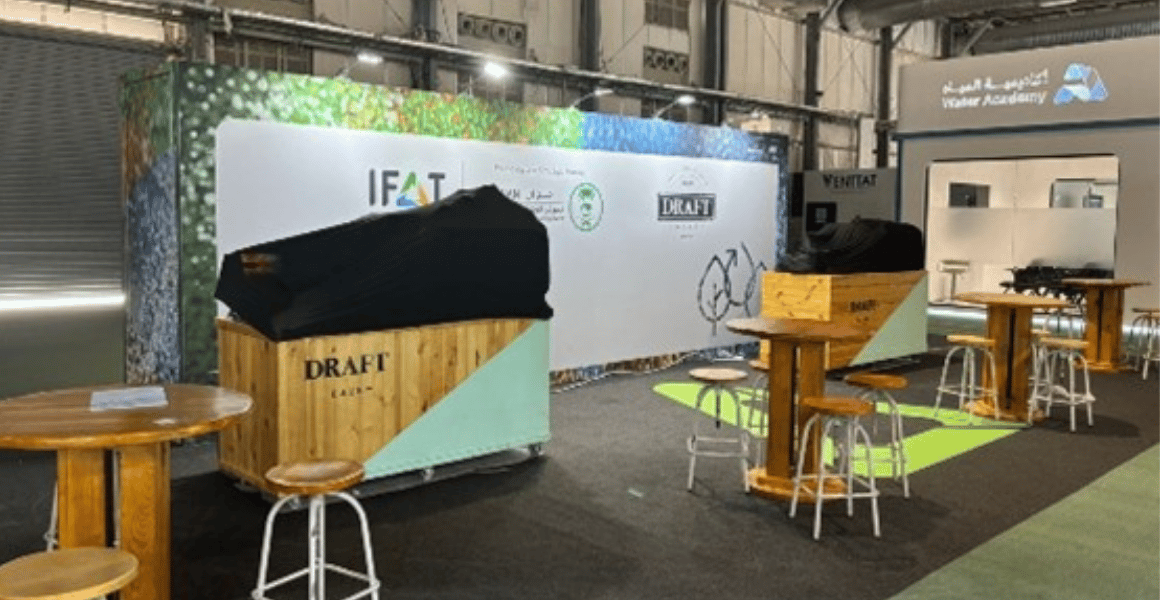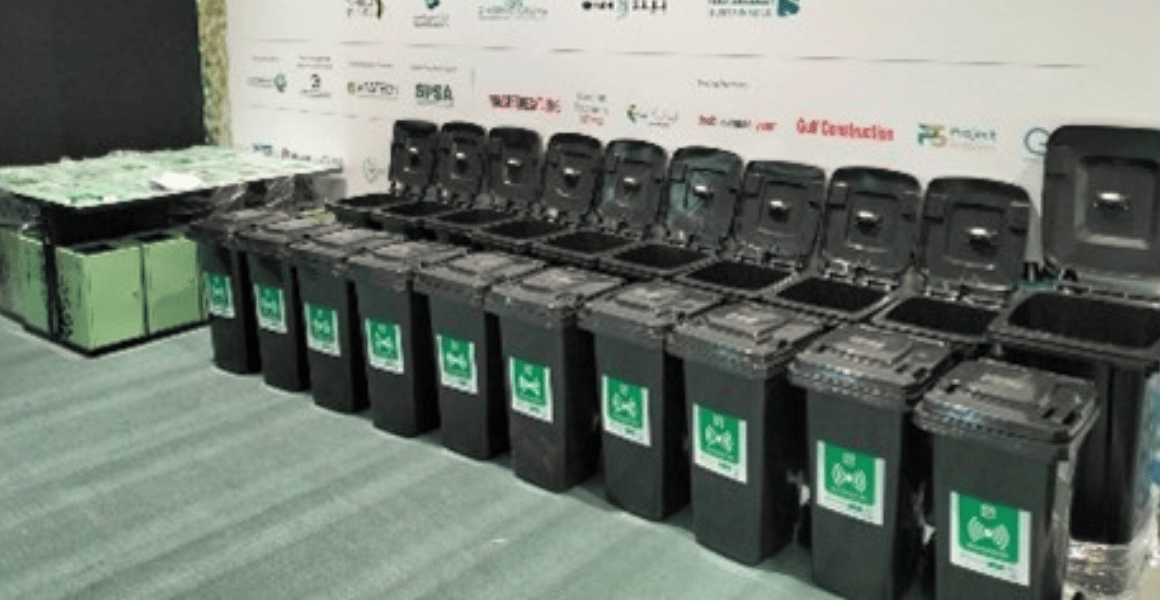

No major event can be one hundred percent sustainable. Nevertheless, the aim must be to act as sustainably as possible and to make as many adjustments as possible. we are on a mission to collaborate with our colleagues and partners to develop innovative solutions that will ensure a more sustainable future for our events and the industries we serve . IFAT Saudi Arabia 2026 delivered a sustainability programme developed by Messe München and dmg events that aligned directly with the event’s themes of waste management, circularity, and sustainable infrastructure. Working closely with Riyadh Front Exhibition & Conference Center and local partners, the event introduced new recycling pathways and demonstrated strong leadership in advancing Saudi Arabia’s resource‑management ambitions.
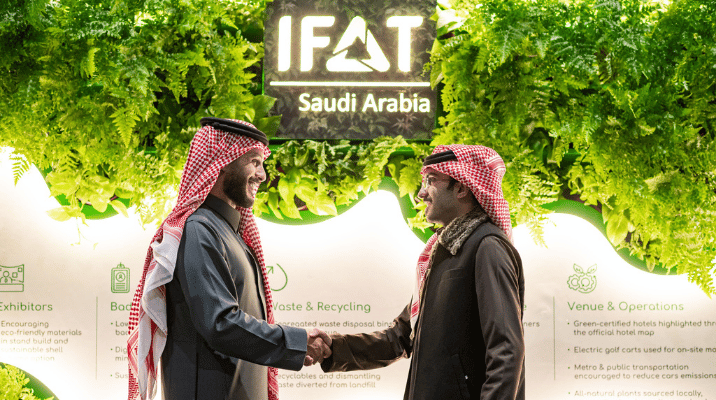
As part of our commitment, we are focusing on:
Sustainability tips for exhibitors & sponsors
- Avoid single-use plastics and reuse stand materials where possible.
- Choose sustainable, low-emission materials for your stand.
- Use LED lighting to reduce energy use.
- Choose reusable or recyclable flooring.
- Switch off lights, screens and equipment when not in use.
- Avoid plastic giveaways and choose useful, reusable alternatives.
- Reuse branded stand elements and rent furniture where possible.
- Provide recycling bins on your stand to separate waste.
- Go digital where possible and reduce printed materials.
- Recycle any leftover printed materials after the event.
- Use local suppliers and responsibly sourced materials where possible.
- Combine deliveries and shipments to reduce unnecessary transport.
How can you support sustainability?
We are working with exhibitors, event partners and attendees to make IFAT Saudi Arabia a more sustainable event.

Five key focus areas:

Energy
How our events can be powered efficiently and use renewable energy sources.

Food & food waste
How we source sustainable food options and eradicate food waste.
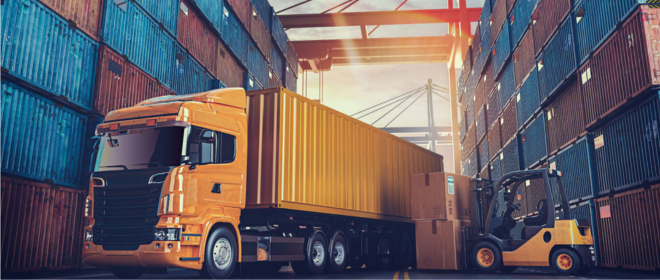
Freight & logistics
How we can move goods efficiently to, from and around our shows and transition to net zero emission logistics.
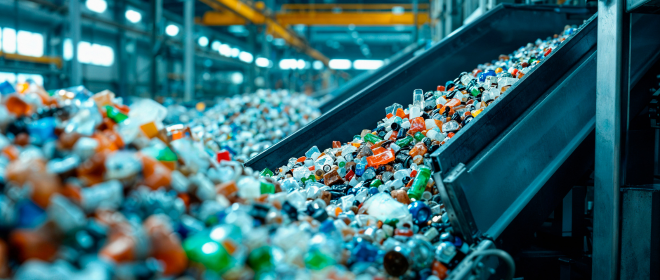
Production & waste
How we can redesign our events with a focus on using sustainable materials and eradicating waste.

Travel
How we can work with and influence partners in the travel sector to reduce and mitigate emissions from travel to events and from business travel generally.
Interested in getting involved?
If you’re passionate about sustainability and want to contribute to a greener future for the events industry, we’d love to hear from you. Whether you have ideas, initiatives, or expertise to share, there are many ways to get involved.
Partners and Supporters 2026